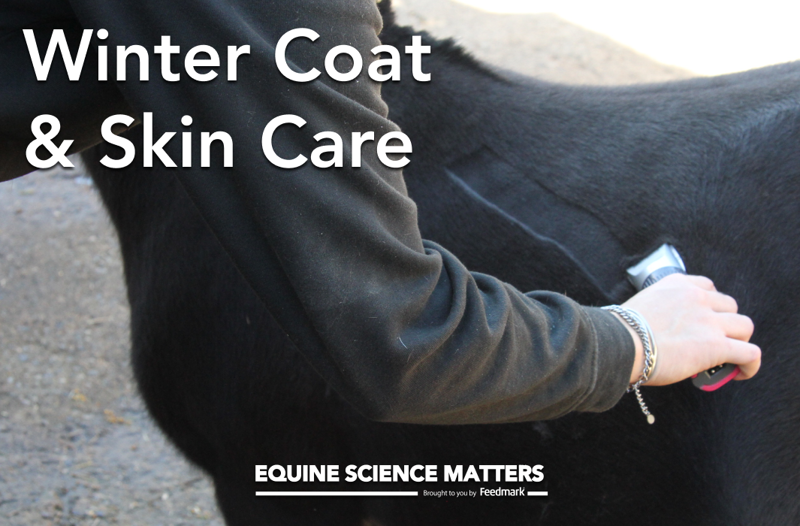
Winter’s colder, wetter weather can make it harder to look after your horse’s coat and skin, whether they’re clipped or unclipped. This article looks at what drives winter coat growth and what to weigh up when deciding whether to clip. It explains the early signs of mud fever and rain scald, what makes them more likely, and the everyday management changes that can help. We also look at the nutrients that support normal skin and coat health, and when to call the vet.
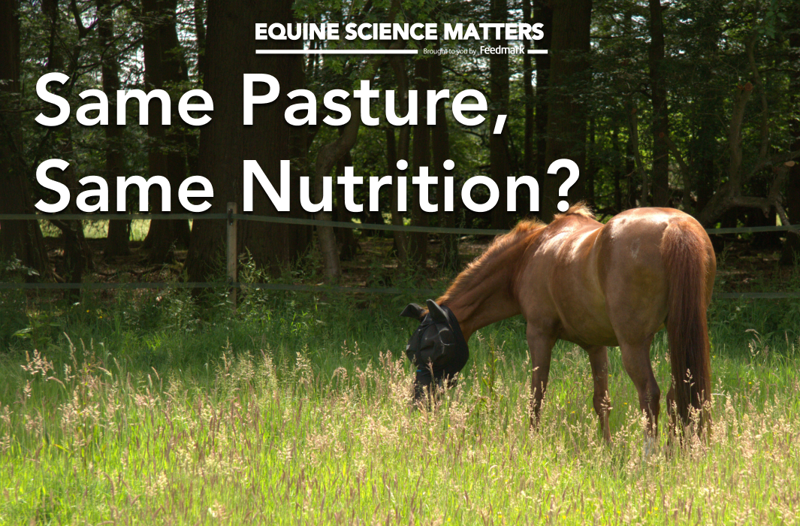
A horse can graze the same field all year, but that doesn’t mean it’s getting the same diet. This week, we look at how the grass, and the clovers, herbs and other plants growing alongside it, change through the seasons. These changes affect more than sugar, because the fibre, protein, energy and mineral content shift too, along with how much a horse can actually eat. We explain why a green field doesn’t tell us what our horses are really getting, and why a diet that hasn’t changed doesn’t necessarily mean nutrition that hasn’t.
As winter approaches, horses spend more time stabled and eat more hay, which can increase their exposure to dust, mould spores and other airborne irritants. This article explains how the horse’s lungs protect themselves, and why repeated exposure can lead to inflammation even when there’s no obvious cough. We compare haylage, soaked hay and steamed hay, including the pros and cons of each. We also look at the bedding, ventilation and stable management changes that make a difference, and when it’s time to call the vet.