_800.png "The Importance of Vitamin E in Horse Health | Equine Science Matters™")
Discover why vitamin E is important for horses, how exercise and forage affect requirements, and why the form of vitamin E and total selenium intake matter when supplementing.
 United Kingdom
 Andorra
 Austria
 Belgium
 Bulgaria
 Canary Islands
 Croatia
 Cyprus
 Czech Republic
 Denmark
 Estonia
 Finland
 France
 Germany
 Greece
 Hungary
 Iceland
 Ireland
 Italy
Italy
 Latvia
 Lithuania
 Luxembourg
 Malta
Malta
 Moldova
 Monaco
 Montenegro
 Netherlands
 Norway
 Poland
 Portugal
 Romania
 San Marino
 Serbia
 Slovakia
 Slovenia
 Spain
Spain
 Sweden
 Switzerland
 Vatican City
United Kingdom
Andorra
Austria
Belgium
Bulgaria
Canary Islands
Croatia
Cyprus
Czech Republic
Denmark
Estonia
Finland
France
Germany
Greece
Hungary
Iceland
Ireland
Italy
Latvia
Lithuania
Luxembourg
Malta
Moldova
Monaco
Montenegro
Netherlands
Norway
Poland
Portugal
Romania
San Marino
Serbia
Slovakia
Slovenia
Spain
Sweden
Switzerland
Vatican City
Vatican City
United Kingdom
Andorra
Austria
Belgium
Bulgaria
Canary Islands
Croatia
Cyprus
Czech Republic
Denmark
Estonia
Finland
France
Germany
Greece
Hungary
Iceland
Ireland
Italy
Latvia
Lithuania
Luxembourg
Malta
Moldova
Monaco
Montenegro
Netherlands
Norway
Poland
Portugal
Romania
San Marino
Serbia
Slovakia
Slovenia
Spain
Sweden
Switzerland
Vatican City


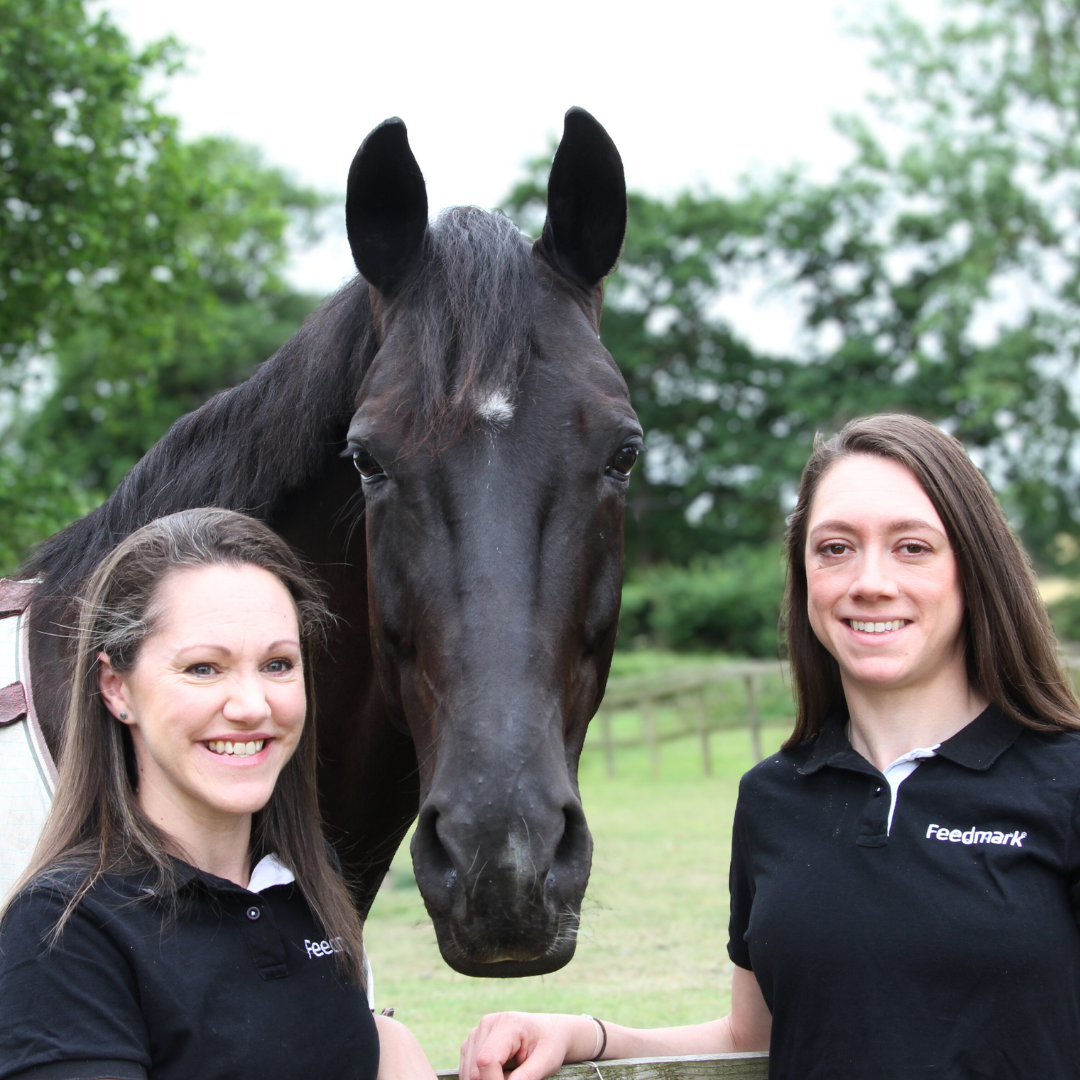 Call Stephanie Hyland MSc RNutr. or

_800.png "Fuel or Filler? What is the Real Nutrient Content of Grass for Horses? | Equine Science Matters™")
_800.png "Soya For Horses: The Science, Myth and Misinformation | Equine Science Matters™")


Lucy Richards, Feedmark's Event rider, talks to us about her one in a million horse, Obie...