


Search
Welcome to Feedmark
Close

Blog

How Do They Work? Joint Supplement Ingredients | Equine Science Matter™

How Do They Work? Joint Supplement Ingredients | Equine Science Matter™

Joint supplements contain a wide range of ingredients, but understanding what each one does can be confusing. In this guide, we explain how key nutrients including glucosamine, chondroitin sulphate, MSM and hyaluronic acid support healthy joints, cartilage and mobility. You'll also learn how these ingredients work together, the recommended daily amounts for a 500 kg horse, and the science behind maintaining healthy joint function to help keep your horse or pet active and comfortable for years to come.
How Do They Work? Joint Supplement Ingredients | Equine Science Matter™
4 Pole Work Exercises for Your Horse: The Importance of Groundwork | Equine Science Matters™

4 Pole Work Exercises for Your Horse: The Importance of Groundwork | Equine Science Matters™

Pole work is a fantastic way of improving your horse’s suppleness and balance whilst helping to maintain fitness and mental stimulation. Performing groundwork exercises can also be very beneficial to develop the bond and trust between horse and handler - we have four simple yet effective exercises for you to try with your horse!

4 Pole Work Exercises for Your Horse: The Importance of Groundwork | Equine Science Matters™
No Hoof, No Horse: Equine Hoof Anatomy | Equine Science Matters™

No Hoof, No Horse: Equine Hoof Anatomy | Equine Science Matters™

Your horses hooves are where it all begins, they are responsible for shock absorbtion, balance, muscle development, and so much more. Learn about your horses hoof anatomy, both internal and external, and the affects that they have on the rest of the body.
No Hoof, No Horse: Equine Hoof Anatomy | Equine Science Matters™
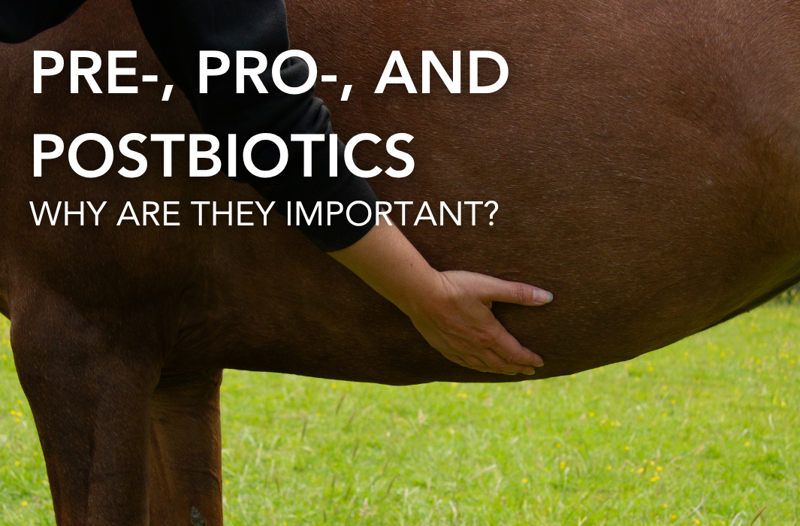
Pre-, Pro-, and Postbiotics: Why Are They Important? | Equine Science Matters™

Pre-, Pro-, and Postbiotics: Why Are They Important? | Equine Science Matters™

The horse is known as a hindgut fermenter, meaning they break down a large amount of fibre in the large intestine. Our Nutritionist investigates prebiotics, probiotics and postbiotics, explaining what they are and why they are important in the equine digestive system.
Pre-, Pro-, and Postbiotics: Why Are They Important? | Equine Science Matters™
Are Fructans Sugars? | Equine Science Matters™

Are Fructans Sugars? | Equine Science Matters™

Discover what fructans are, how horses process them, and why they can influence hindgut health, grazing management, and overall equine wellbeing.
Are Fructans Sugars? | Equine Science Matters™
Dietary Change And The Impact On Gut Health | Equine Science Matters™

Dietary Change And The Impact On Gut Health | Equine Science Matters™

Equine gut health is influenced by far more than feed changes alone. Discover how weather, pasture quality, management practices and environmental stressors can affect the hindgut microbiome, plus practical strategies to support digestive health and maintain gut stability throughout the year.
Dietary Change And The Impact On Gut Health | Equine Science Matters™
How To Help Your Horses Dry Or Itchy Skin | Equine Science Matters™

How To Help Your Horses Dry Or Itchy Skin | Equine Science Matters™

Healthy skin and a shiny coat are important indicators of your horse's overall wellbeing. Discover how balanced nutrition, effective management, and proper skin care work together to support optimal horse skin health and coat condition.
How To Help Your Horses Dry Or Itchy Skin | Equine Science Matters™
Turmeric for Horses: Hype or Helpful? | Equine Science Matters™

Turmeric for Horses: Hype or Helpful? | Equine Science Matters™

This blog offers a clear, science‑based look at turmeric—how it works, what human and equine research actually shows, and the practical realities of feeding it to horses. It’s an easy, evidence‑led guide to help owners decide whether turmeric could support their horse’s comfort and wellbeing
Turmeric for Horses: Hype or Helpful? | Equine Science Matters™
How the Respiratory System Works and Why It Is Important | Equine Science Matters™

How the Respiratory System Works and Why It Is Important | Equine Science Matters™

The horse respiratory system plays a vital role in health, performance, and recovery. This article explains how horses breathe, common causes of respiratory problems, key warning signs, and practical ways to support respiratory health through good stable management, environmental control, hydration, and correct tack fitting.
How the Respiratory System Works and Why It Is Important | Equine Science Matters™
The Use of Hyaluronic Acid in Horses | Equine Science Matters™

The Use of Hyaluronic Acid in Horses | Equine Science Matters™

In horses, like in humans, most of the research carried out has investigated the effects of injectable hyaluronic acid, however there are some studies looking at the effects of oral hyaluronic acid.
The Use of Hyaluronic Acid in Horses | Equine Science Matters™
Keeping Your Horse Hydrated | Equine Science Matters™

Keeping Your Horse Hydrated | Equine Science Matters™

A clear guide to electrolyte balance in horses, covering how sweat depletes key minerals, the risks of dehydration, and how proper supplementation supports hydration, performance, and recovery.
Keeping Your Horse Hydrated | Equine Science Matters™
The Importance Of Clean Water | Equine Science Matters™

The Importance Of Clean Water | Equine Science Matters™

Water quality is a critical yet often overlooked factor in horse health. Even when water looks clean, horses may refuse it if it smells or tastes off, leading to reduced intake, dehydration, and increased colic risk. This article explains why clean water matters and how to manage water hygiene effectively on your yard.
The Importance Of Clean Water | Equine Science Matters™