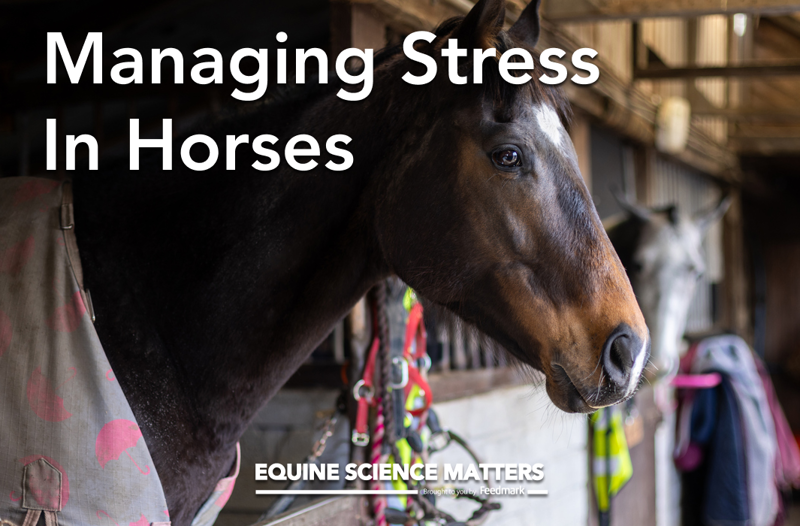
Horses evolved to survive short bursts of danger, but modern life asks a lot of a stress response that hasn’t had much time to adapt. In this article we look at what happens in the horse's body when a horse is stressed, and what can happen when that response stays switched on for too long. We look at three simple management principles and the role diet can play, including what the research does and doesn’t tell us about the gut–brain link and magnesium. If you want to understand how to support a more settled horse this winter, this is a good place to start.
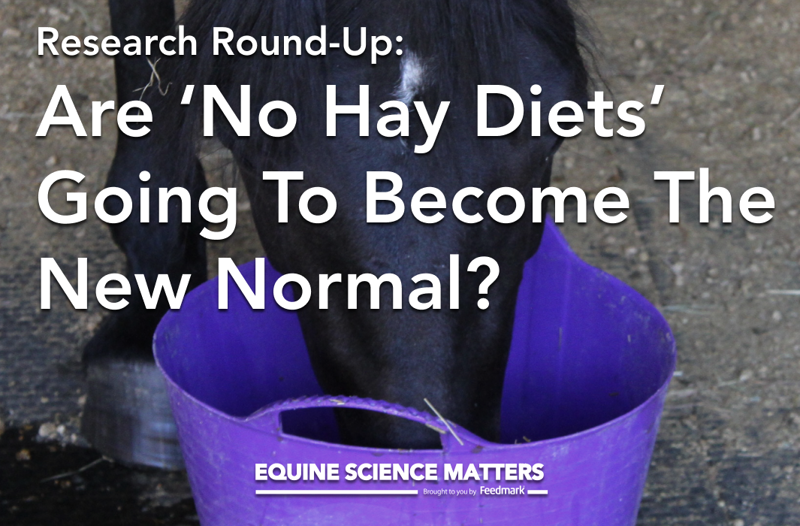
With hay in short supply this winter, many of us are considering complete or partial forage replacers. This study followed twelve horses as hay was gradually swapped for a complete extruded diet, to see how their gut bacteria responded. The biggest changes only appeared once hay was removed completely, but our reviewer explains why we need to be careful about drawing firm conclusions from a short study. We look at what it means for your horse and how to plan ahead, before your hay runs low.
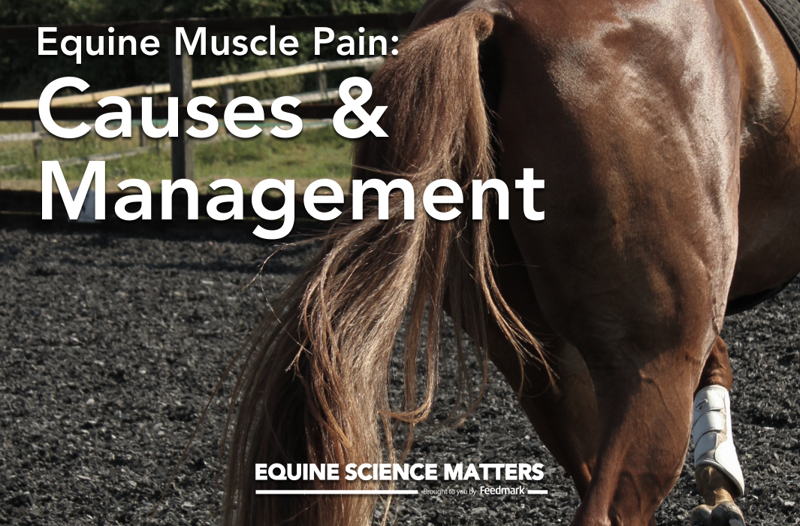
This blog breaks down Equine Rhabdomyolysis Syndrome (ERS) — the muscle pain and cramping condition sometimes called “tying-up.” Discover the difference between intrinsic and extrinsic ERS, the most common triggers, and practical management and nutrition strategies to help reduce the frequency and severity of episodes.
This article breaks down the different types of carbohydrates in your horse's diet (fibre, starch, and sugar) and how each one is digested and used for energy. Discover how starch and sugar affect blood sugar, insulin, and hindgut health, plus practical guidance on working out exactly how much your horse is really getting from their feed.
This study explores how different diets can affect movement through the horse’s large intestine. Discover what the research found about forage, concentrate feeds, chewing, eating speed and meal size, plus practical feeding considerations for supporting your horse’s digestive health.
The more the horse chews, the more saliva is produced. We look at the important role that saliva plays in your horse's wellbeing.
A look at new research exploring how breed, diet, management and geography influence the gut microbiota of horses, and what these findings could mean for equine nutrition, digestion and health.
Climate change is creating new challenges for horse owners, from extreme weather and changing grazing conditions to the availability and nutritional quality of forage. This blog explores how these changes can affect horse management and nutrition, and what owners can consider when adapting their approach.
Discover some of the common poisonous plants that can be found in horse pastures, paddocks and hedgerows. Learn how to identify potentially toxic plants and understand the risks they may pose to your horse.
This blog explores the essential vitamins and minerals horses need and the important roles they play in maintaining overall health and wellbeing. It explains the differences between vitamins and minerals, their dietary sources, signs of potential deficiencies and why providing a balanced diet is key to meeting your horse’s individual nutritional needs.
Discover why vitamin E is important for horses, how exercise and forage affect requirements, and why the form of vitamin E and total selenium intake matter when supplementing.
Healthy joints are essential for your horse's comfort, movement and performance. Discover how joints function, what increases the risk of osteoarthritis, and the practical management and nutritional steps you can take to support lifelong joint health and mobility.