Climate change is creating new challenges for horse owners, from extreme weather and changing grazing conditions to the availability and nutritional quality of forage. This blog explores how these changes can affect horse management and nutrition, and what owners can consider when adapting their approach.
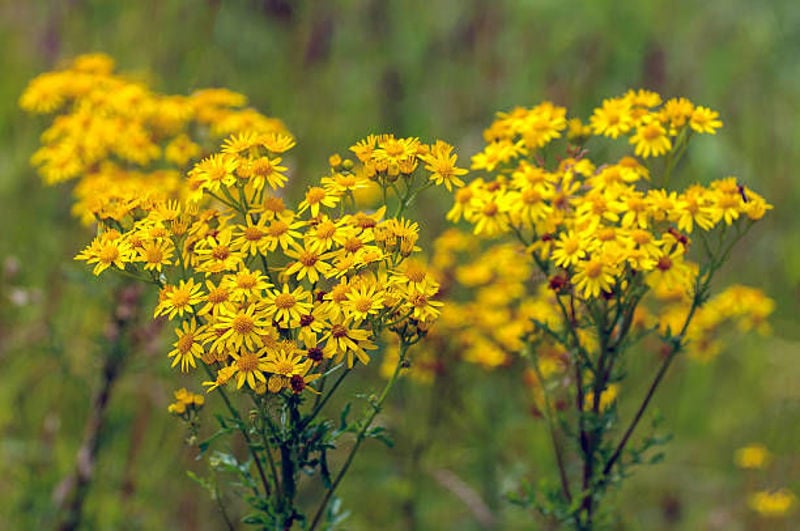
Discover some of the common poisonous plants that can be found in horse pastures, paddocks and hedgerows. Learn how to identify potentially toxic plants and understand the risks they may pose to your horse.
Pasture is a key part of the equine diet, but its nutritional value changes with season, weather, and plant maturity. Levels of water-soluble carbohydrates, fibre, and protein can vary widely, influencing energy intake, hindgut health, and laminitis risk. Careful pasture and feeding management help ensure horses receive adequate nutrients without excess calories, particularly in native breeds, good-doers, and horses prone to weight gain.
Equine obesity is now one of the most common welfare concerns in UK horses and ponies, increasing the risk of serious health conditions such as laminitis and Equine Metabolic Syndrome. This article explores why excess body fat is more than a cosmetic issue and provides practical, science-based strategies for managing weight through grazing control, nutrition, exercise and regular monitoring.
This week, we look at nutrient deficiencies, how they are prevented and whether your horse is likely to be at risk. Discover more and find out how to ensure your horse is receiving adequate nutrition for optimal health.
Feedmark's Nutritionist investigates the ways in which you can manage your horse's grass intake...
Feedmark Nutritionist, reviews the nutritional requirements of growing foals from weaning to twelve months.
Feedmark's Nutritionist explores the nutritional requirements of the broodmare during foaling, and how this changes once the foal is born.
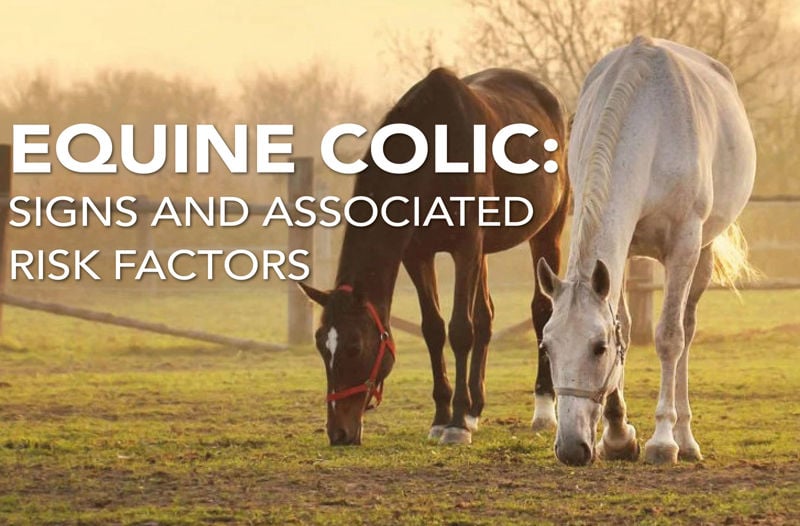
Colic is a common veterinary problem. Feedmark's Nutritionist explores what colic is, the signs to look out for and its associated risk factors.
Rebecca Allan, Feedmark’s Assistant Nutritionist, explores the different toxins that can be found in plants commonly found in grazing or forage, and discusses the consequences of their consumption on the horse’s health.
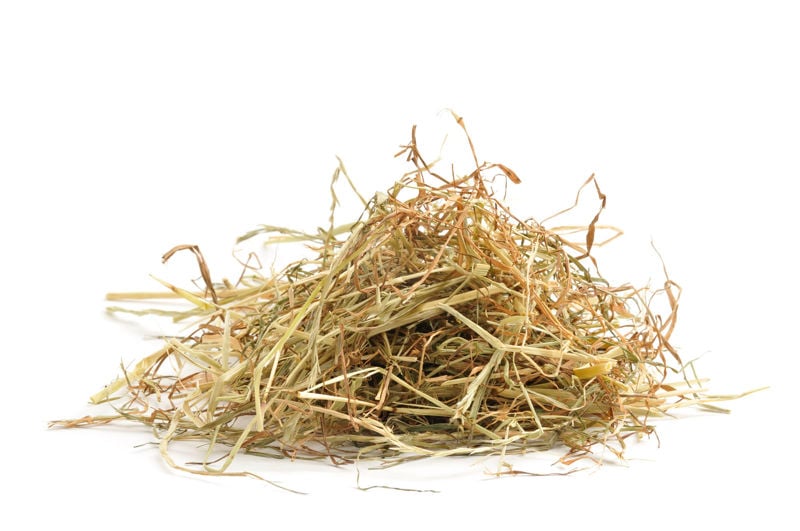
Professor Murray and Dr. Daniels explore the different types of forage available, helping you to choose the best option for your horse this winter.
As your horse’s routine changes with the seasons, are you making adjustments to their diet? Our Nutritionist warns of important steps to take to ensure your horse’s safety, and gives an easy guide on how to introduce new feeds gradually.


































_800.png "How Is Climate Change Affecting Horse Ownership? | Equine Science Matters™")
_800.png "Poisonous Plants for Horses | Equine Science Matters™")
_800.png "Fuel or Filler? What is the Real Nutrient Content of Grass for Horses? | Equine Science Matters™")
_800.png "Equine Obesity - A Ticking Time Bomb? | Equine Science Matters™")