Spring grass can contain high levels of non-structural carbohydrates (NSCs), which may increase the risk of digestive upset, weight gain, and laminitis in some horses. This article explains how sugars, starches, and fructans affect the horse’s digestive system, why NSC levels rise in spring, and how careful grazing management can help reduce the risk.
Pasture is a key part of the equine diet, but its nutritional value changes with season, weather, and plant maturity. Levels of water-soluble carbohydrates, fibre, and protein can vary widely, influencing energy intake, hindgut health, and laminitis risk. Careful pasture and feeding management help ensure horses receive adequate nutrients without excess calories, particularly in native breeds, good-doers, and horses prone to weight gain.
Equine obesity is now one of the most common welfare concerns in UK horses and ponies, increasing the risk of serious health conditions such as laminitis and Equine Metabolic Syndrome. This article explores why excess body fat is more than a cosmetic issue and provides practical, science-based strategies for managing weight through grazing control, nutrition, exercise and regular monitoring.
Learn how to body condition score your horse using the 0–5 system and why proactive weight management is essential for preventing laminitis, supporting metabolic health and promoting long-term soundness.
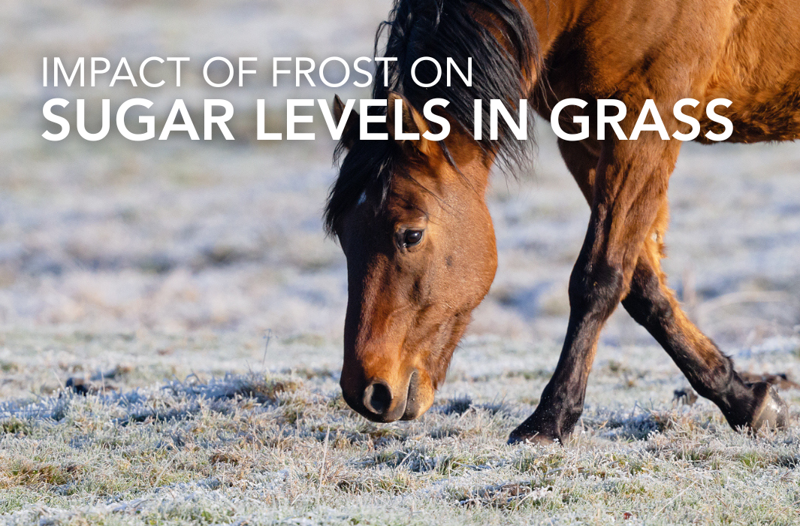
Do you worry about the frosted grass in winter? If your horse suffers from EMS, Laminitis or is generally susceptible to changes in the grass, have a read of this week's article.
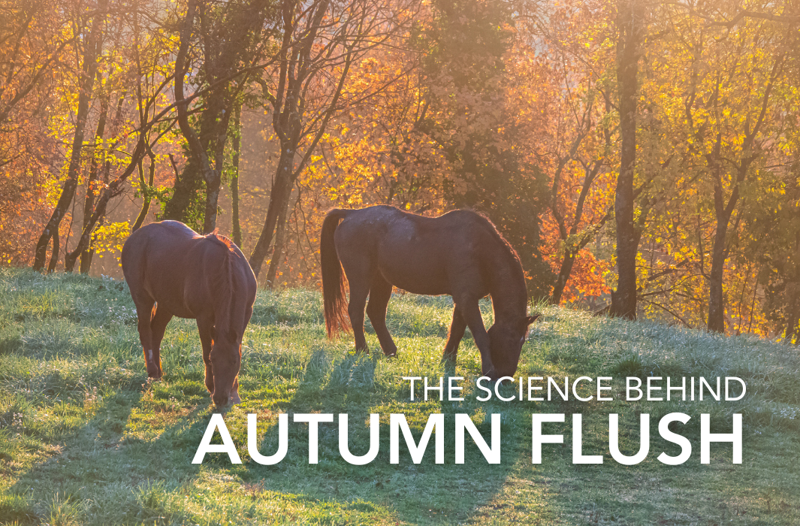
The science behind the Autumn Flush is so important to be able to understand what is happening in your horse's body at this time of year. Understand NSCs, where they come from and how to manage your horse during this time, which can be difficult for laminitics and horses with metabolic issues.
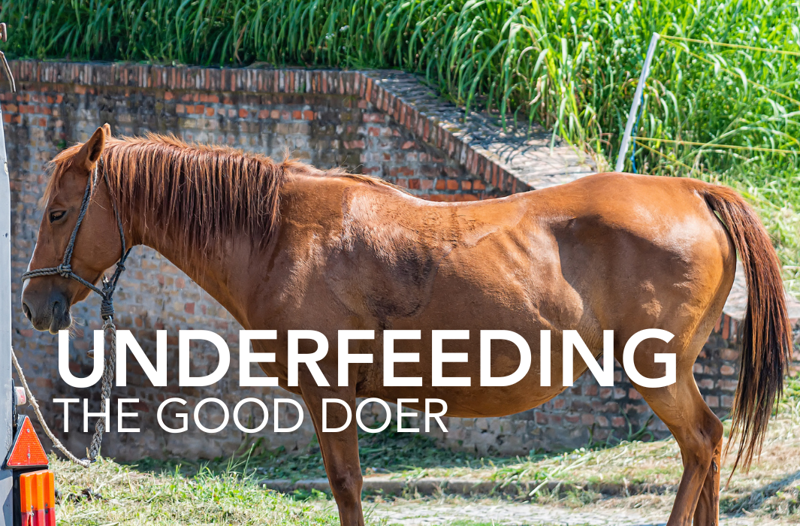
How do you safely restrict the diet of your good doer? Our Registered Nutritionists share the things that need to be remembered when placing your good doer on a diet.
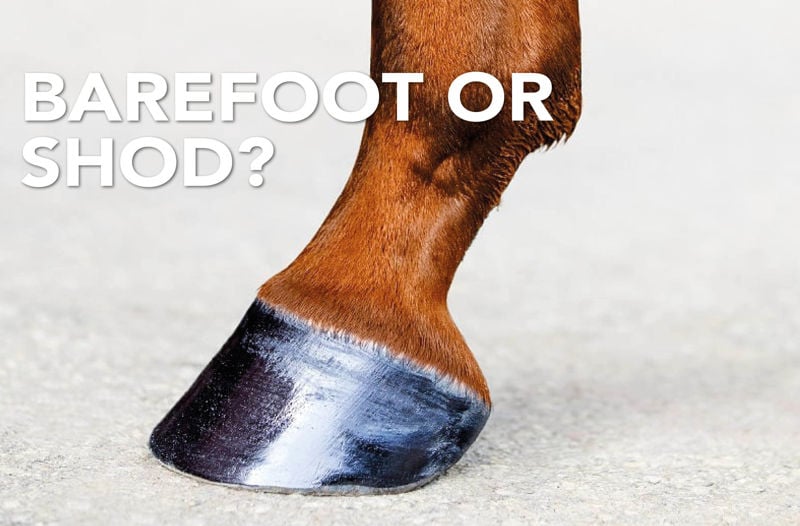
With each horse having their own individual needs, “To shoe or not to shoe?” can be a tough question to answer! This blog will discuss both management methods to help you make the best decision for your horse.
It is vital to maintain gut health in horses and to ensure you are managing your horse in a way that promotes equine gut health, through an understanding of the anatomy and physiology of the equine digestive system.
During the festive period, we like to treat our horses as we do our family and friends. Our Nutritionist looks into the different ways in which you can reward and entertain your horse this Christmas!
Summer 2023 is a far cry from the searing heat we experienced last year. Whereas last year saw brown, parched paddocks and fields the alternating rain and warm sunshine that we have had this summer has kept our fields green. For those of us who have horses and ponies at risk of laminitis this weather means constant vigilance and being alert to any signs of obesity or sickness.
Dr. Stephanie Wood discusses Pituitary pars intermedia dysfunction (PPID) and the effects on equids.




_800.png "Spring Grass and Horses: NSC Levels, Laminitis Risk & Grazing Management | Equine Science Matters™")
_800.png "Fuel or Filler? What is the Real Nutrient Content of Grass for Horses? | Equine Science Matters™")
_800.png "Equine Obesity - A Ticking Time Bomb? | Equine Science Matters™")
_800.png "Body Condition Scoring | Equine Science Matters™")