











































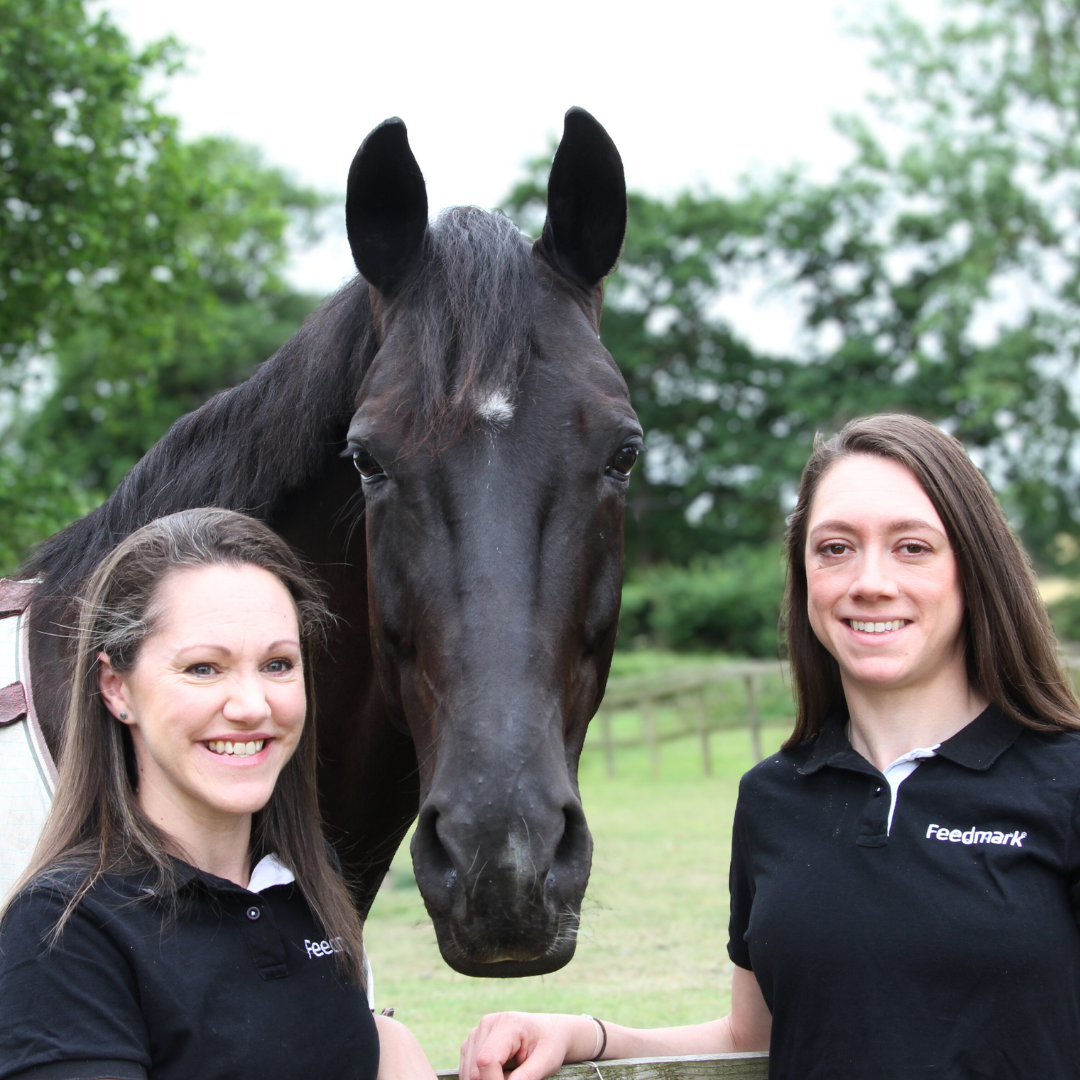


_800.png "The Importance Of Clean Water | Equine Science Matters™")
A horse may refuse a bucket of water that looks perfectly “fine” to us, simply because we can’t smell what they smell.
When it comes to horse health, water is often overlooked, yet it is the most essential nutrient of all. At Ag Plus Biosecurity Specialists, we are working closely with partners like Feedmark to reinforce a simple but critical message: Water quality matters just as much as quantity.
A Silent Risk on Every Yard
On busy yards, it only takes a few hot days for troughs to turn green, slimy, and unpalatable, often without anyone noticing until horses start drinking less. By the time reduced intake is obvious, horses may already be under significant physiological stress. Water issues rarely appear dramatic at first; they build quietly, making them a silent risk in equine management.
How Do Your Horse’s Water Needs Change in Summer?
As temperatures rise, hydration demand increases rapidly:
- Normal weather: A 500kg horse drinks around 25–55 litres per day
- Hot weather: Intake may exceed 55 litres per day
- Exercise in heat: Requirements can rise to 40–70 litres per day
Did you know? (Quick facts)
- Adult horses are 60–75% water
- Foals are closer to 80% water
- A 500kg horse contains roughly 300–375 litres of body water
This water isn’t just “in the system”; it is actively supporting survival, performance, and recovery every second of the day.
Why Clean Water Matters
Providing enough water is only part of the picture. If a horse won’t drink it, it doesn’t matter how much is available.
Horses are extremely sensitive and may reduce intake or refuse water entirely if it:
- Smells unpleasant
- Tastes “off”
- Looks dirty or contaminated
In summer conditions, this risk escalates quickly as heat accelerates microbial growth:
- Algae
- Bacteria
- Fungi
Left unmanaged, this creates an environment where water quality deteriorates fast and often goes unnoticed.
The Risks of Poor Water Hygiene
Contaminated water is more than a management issue; it is a biosecurity concern with real health consequences.
Key risks include:
- Dehydration and colic
- Bacterial infections such as leptospirosis
- Digestive upset and reduced gut efficiency
- Increased insect breeding (flies and mosquitoes), which can act as disease vectors
The early warning problem
One of the biggest challenges is that horses often won’t visibly show they are not drinking enough until problems develop. Reduced intake is frequently only noticed once:
- Manure output changes
- Performance drops
- Mild colic signs appear
By then, the issue has already progressed.
Why Water Is So Critical to the Horse’s Digestive Health
Water drives every part of equine physiology, but its role in the digestive system is especially critical.
It is essential for:
- Lubricating feed and supporting saliva production
- Moving feed efficiently through the digestive tract
- Enabling nutrient absorption into the bloodstream
- Powering enzyme activity and microbial fermentation in the hindgut
- Supporting gut movement (peristalsis)
- Helping form normal, well-hydrated manure
Did you know? (Quick facts)
- The horse’s digestive system can contain up to 100 litres of water at any time
- Around 60–80% of gut contents are water
- The large colon acts as a major water reservoir, supplying hydration when needed
This internal water reserve plays a vital role in maintaining hydration and digestive balance. However, even a small 2% reduction in body water can disrupt this system.
When water intake drops, the consequences can escalate quickly:
- Reduced gut motility
- Poor digestion and nutrient uptake
- Dry, compacted feed material
- Increased risk of impaction, colic and digestive imbalance
In short, without adequate water, the entire digestive system becomes less efficient and far more vulnerable.
Final Thought: Would You Drink It?
A simple but powerful rule applies across every yard:
If the water smells, tastes, or looks unpleasant to you, it is very likely your horse feels the same way.
Take Control of Your Yard's Water Quality
Clean water is one of the simplest, most powerful biosecurity steps on any yard, yet one of the easiest to overlook. At Ag Plus Biosecurity Specialists, alongside Feedmark, we emphasise that protecting horse health doesn’t always require complex interventions; sometimes it starts with what’s in the bucket.
Water hygiene isn’t an afterthought for us; it’s a core part of our biosecurity approach. With extensive expertise in water treatment and disease prevention, we support yards, studs, and equine facilities in confidently taking control of their water quality.
Using EndoSanWater Treatment, you can actively:
- Improve water palatability and encourage intake
- Prevent biofilm and algae build-up
- Reduce disease risk across your yard
- Save time on cleaning and maintenance
If you’re ready to raise your yard’s biosecurity standards and ensure your horses are drinking clean, safe water every day, speak to the Ag Plus team to explore how EndoSan Water Treatment can support your water management strategy, because better water doesn’t just support hydration, it protects health.
Written by Gail Egginton, AG Plus