




































_800.png "Joint Health Management | Equine Science Matters™")
The way we manage our horses can have a great effect on the health and function of their joints throughout their lifetime. Due to conformation, most horses have relatively small joints in comparison to their body size, so a lot of pressure is put upon these structures.
I need to understand joints better, what are they?
Joints are where two or more bones meet and are complex structures that enable movement, provide stability and absorb forces generated during exercise. There are three types: Cartilaginous, Synovial and Fibrous. Connective tissue like tendons, cartilage and joint capsules work together to ensure your horses joints functions smoothly.

What makes up the joint?
-
Bursa- small fluid filled sac between tendon and bone, to reduce friction
-
Tendon sheath- connective tissue sac that surrounds muscle tendon, containing lubricating fluid for smooth motion
-
Joint capsule- sac like envelope that forms a sleeve around a synovial joint, enclosing its cavity and provides stability to the joint surface.
-
Articular cartilage- smooth covering of the joint that allows for ease of movement and mobility
-
Synovial membrane- 1-3 cell thick lining of the joint capsule that covers all joint surfaces except the articular cartilage
-
Synovial fluid- thick fluid containing Hyaluronic acid which is secreted by the synovial membrane which lubricates the joints and reduces friction
-
Hyaline cartilage – translucent cartilage found on many joint surfaces
-
Ligaments, Tendons and Fibrocartilage
Where are my horses’ joints?

What is the most common joint condition/problem?
Osteoarthritis (OA) is degenerative and is the most common joint condition. Isn’t this just old age? There is a big misconception that OA is just due to old age, while age is a risk factor, there are many other factors like conformation, weight, workload and pre-existing health conditions that can increase the likelihood of OA occurring.
What is OA?
When your horses’ joints are under stress, chondrocytes (inflammatory mediators) cause inflammation within the joint. This causes cartilage to wear, causing bone wearing bone. This leads to synovitis, where there is abnormal synovial fluid production, reducing the smooth movement of joints. The constant stress, and cartilage wear leads to subchondral bone remodelling leading to thickening of the bone and reduced range of motion.
What are the risk factors?
-
Repeated high impact exercise- overtraining or inadequate recovery time can place excessive strain on your horses’ joints. Asking our horses to gallop and jump can cause increased concussive forces on joints, but also twisting and turning in intricate dressage can further stress joints.
-
Conformation- can influence how weight and movement forces are distributed through the limbs. Poor limb alignment may increase stress on joints contributing to uneven wear. In addition, poor hoof balance or inadequate farrier can alter movement patterns placing further stress on joints.
-
Weight- excess body weight places greater mechanical stress on the joints, heavier horses have increased load forces through joints such as fetlock, hock and stifle. Increased body weight increases inflammation due to adipose tissue (fat) which releases inflammatory substances that contribute to joint inflammation and cartilage breakdown. (Ref)
-
Age- your horses joints undergo gradual changes throughout its lifetime, repeated loading and movement can cause progressive wear of articular cartilage, reducing the ability to cushion and protect joint surfaces. As your horse gets older, the efficiency of producing synovial fluid production reduces, increasing the likelihood of friction and inflammation
How can I keep my horses joints healthy?
-
Maintain a correct body weight by regular weighing or body condition scoring
-
Be mindful of your horse’s conformation and seek professional advice like corrective farriery to support your horses’ loading patterns
-
Be aware of the damage of hard work especially on hard, uneven ground
-
Warm up sufficiently before asking for hard work
-
Make sure you provide correct nutrition for your horse, with a good balance of vitamins and minerals appropriate for their life stage, and consider a joint supplement providing good levels of glucosamine, chondroitin, MSM and hyaluronic acid.
-
Ice your horses after hard runs or training sessions to reduce inflammation and risk of injury
-
Motion is lotion; allowing horses to move around freely, such as when turned out, helps to maintain joint lubrication, reduce stiffness, and support long-term soundness.

In conclusion, it is important to consider your horse’s joint health throughout their entire lifetime, rather than only focusing on joint care as they get older. Being mindful of factors such as body weight, conformation, age and workload can help support healthy joints and reduce the risk of joint related conditions such as OA. A key point to remember is that joint changes can begin early in your horse’s life and are not solely associated with old age. By understanding and managing potential risk factors, you can promote long term mobility, comfort and overall wellbeing, allowing your horse to remain healthy throughout their lives.
Ref - Kroon FPB, Veenbrink AI, de Mutsert R, Visser AW, van Dijk KW, le Cessie S, Rosendaal FR, Kloppenburg M. The role of leptin and adiponectin as mediators in the relationship between adiposity and hand and knee osteoarthritis. Osteoarthritis Cartilage. 2019 Dec;27(12):1761-1767. doi: 10.1016/j.joca.2019.08.003. Epub 2019 Aug 23. PMID: 31450004.
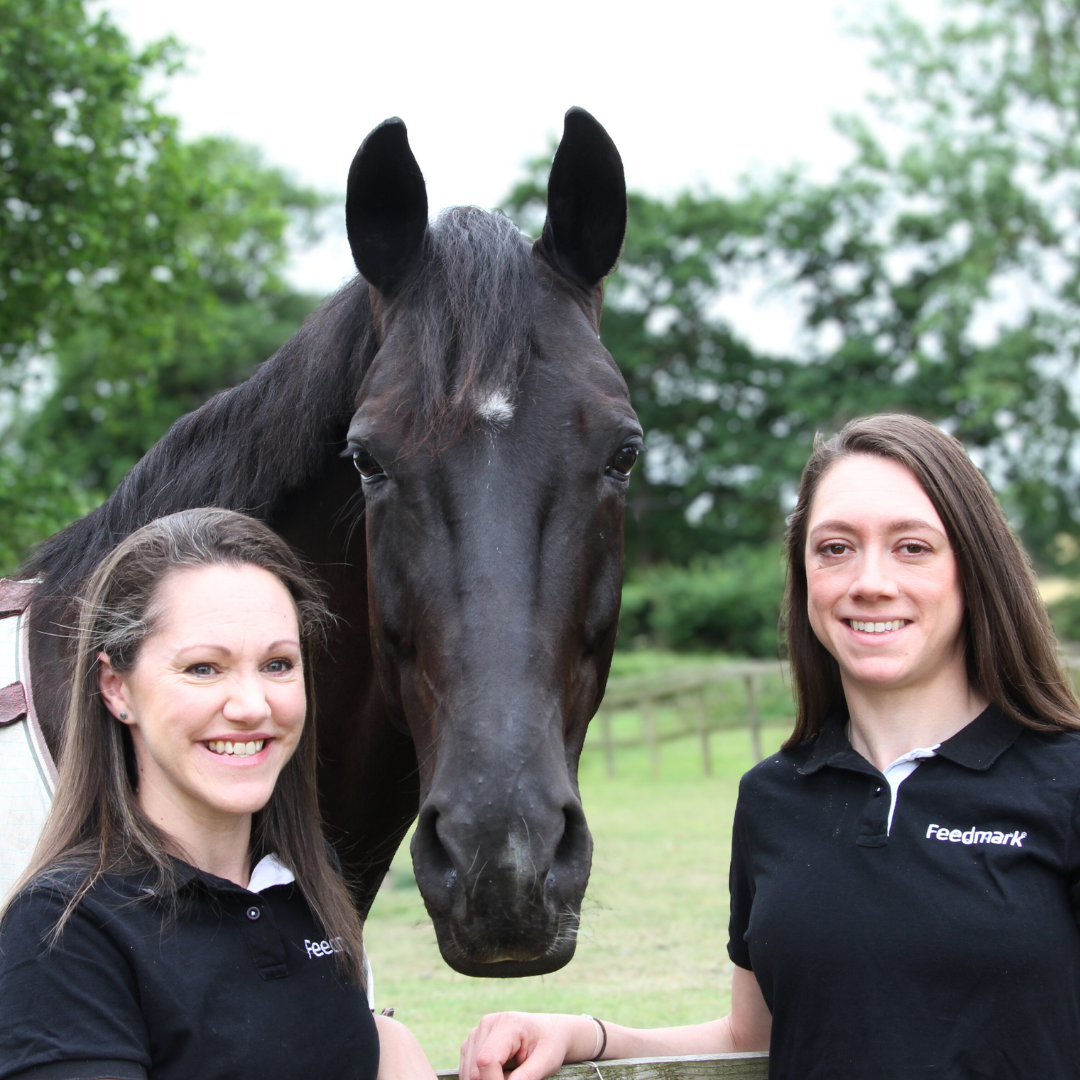
_370.png "Sophie Pelham Burn")