




























_800.png "When Should You Start Feeding 'Senior' Or 'Veteran' Feed? | Equine Science Matters?")
While the age threshold for a horse to be considered a veteran is usually fifteen, many horses and ponies live well into their late twenties and even thirties. So, when should we start giving a veteran feed, and what are the key factors that make some feeds suitable for the golden oldies?
While some horses can start experiencing age-related decline in their mid-teens, others might not start experiencing these changes until much later. As with any nutrition advice, it is imperative to feed the horse you have in front of you and be guided by their needs more than a certain number or what another horse is being fed at that age. A 20-year-old still enjoying full work will have very different needs from a 16-year-old doing some gentle hacking and living out at grass.
Often, the first thing to consider when deciding what to feed an older horse is their teeth. Regardless of their workload or body condition, teeth will experience changes in line with the horse’s age, and they need to be able to eat and chew properly to be able to best utilise the nutrients from feed and forage. If the horse or pony has poor teeth, a softer forage replacement such as a grass chop may be helpful. For those who can’t chew at all or have diastemas, soaked grass nuts could be an option for forage, with soaked feeds or mash to top up their energy requirements. If they’re having less than the recommended quantity of a complete feed, a powdered vitamin and mineral supplement would be a good option to mix into a mash and wouldn’t require any additional chewing.
The second aspect to consider is overall body condition and seasonal changes. As horses age, many find it harder to hold their weight, particularly in winter. In many cases, this is related to teeth, so regular biannual check-ups should be the first port of call to ensure the horse is able to chew properly and derive the most benefit from their forage. Checking their manure can give a useful insight, with any pieces of fibre in the dung larger than 2cm a clue that a dental check-up may be due. Once it has been established that the diet and, particularly, forage are being chewed properly, it would be worth checking whether the horse is warm enough before looking to change their feed, particularly in the winter months. Some older horses feel the cold a little more than previously and will metabolise stored body fat to generate heat. Adding an extra rug may be all that is required, but if their condition still drops off in the winter, going for a conditioning veteran feed that has a high energy content (11-13MJ per kg) might be helpful.
.png)
What the horse can eat and chew is important, but equally so is what they’re able to absorb. A high worm burden can cause a multitude of issues, with one of them being less efficient absorption of nutrients from the intestine. Older horses tend to be more susceptible to parasites, so regular faecal egg counts and saliva or blood testing for tapeworm, as well as annual blood tests if appropriate for encysted red worm, are vital. Continuing the theme of absorption, maintaining a healthy hind gut microbiota is key for ensuring horses can properly digest and utilise their forage. The bacteria in the hind gut are responsible for digesting the plant materials that the horse cannot break down itself. As these plant fibres are fermented by the bacteria, they release short-chain fatty acids, or SCFAs for short. These are transported across the wall of the hind gut and used as an extremely valuable source of energy. There is some evidence that the balance of the microbiota might change and become less diverse with age, so considering ways to support hind gut health could be useful in ensuring the horse can make the most of their forage and generate those all-important SCFAs efficiently.
As with humans, muscle tone and strength can decline with age. This is arguably the factor that can vary most between horses and ponies of the same age. The primary driver in maintaining any muscle is its use. A muscle that is used regularly will retain its size and strength vastly more efficiently than a muscle that isn’t being used, regardless of age, although older horses may need a little extra dietary support to make the most of their exercise and recover between training sessions. A slightly higher protein level, including good sources of the amino acids lysine and methionine, would help support muscle retention, while vitamins E and C can also be helpful due to their role as antioxidants.
Deciding when your older horse or pony needs a veteran feed will always come down to the individual and their requirements:
-
Poor teeth
-
Consider softer forage replacers such as grass chop or soaked grass nuts. Many veteran feeds are designed to be soaked into a mash for horses who need additional calories beyond those that can be obtained from forage.
-
-
Weight maintenance
-
Horses and ponies who struggle to maintain weight despite having a diet appropriate for their chewing ability may benefit from a conditioning feed that provides 11MJ per kg or more.
-
-
Gut health
-
Muscle maintenance
-
If a loss of muscle mass is a concern, a feed with slightly higher protein levels, including amino acids lysine and methionine, is likely to help, along with regular movement and gentle exercise. Tailor the level of exercise to what the horse can comfortably manage, especially if arthritis or joint changes are suspected.
-
-
Vitamins and minerals
-
Veteran feeds often contain higher levels of vitamins E and C to help support the horse’s endogenous antioxidant systems. Herbs such as milk thistle and burdock root may help support the liver and kidneys, whose function can become compromised in horses as they age.
-
As all these factors are highly individual, there is no set age at which a horse should start being fed a veteran feed. Indeed, many horses do well on complete feeds that aren’t necessarily labelled as veteran-specific. Many veteran feeds and balancers do provide slightly higher protein and energy levels along with a vitamin and mineral package to suit the older equine in a mash suitable for poor teeth. However, it is more important to look at the nutrition and ingredients of a feed relative to the horse’s requirements than be guided by the name of the feed and the numerical age of the horse.
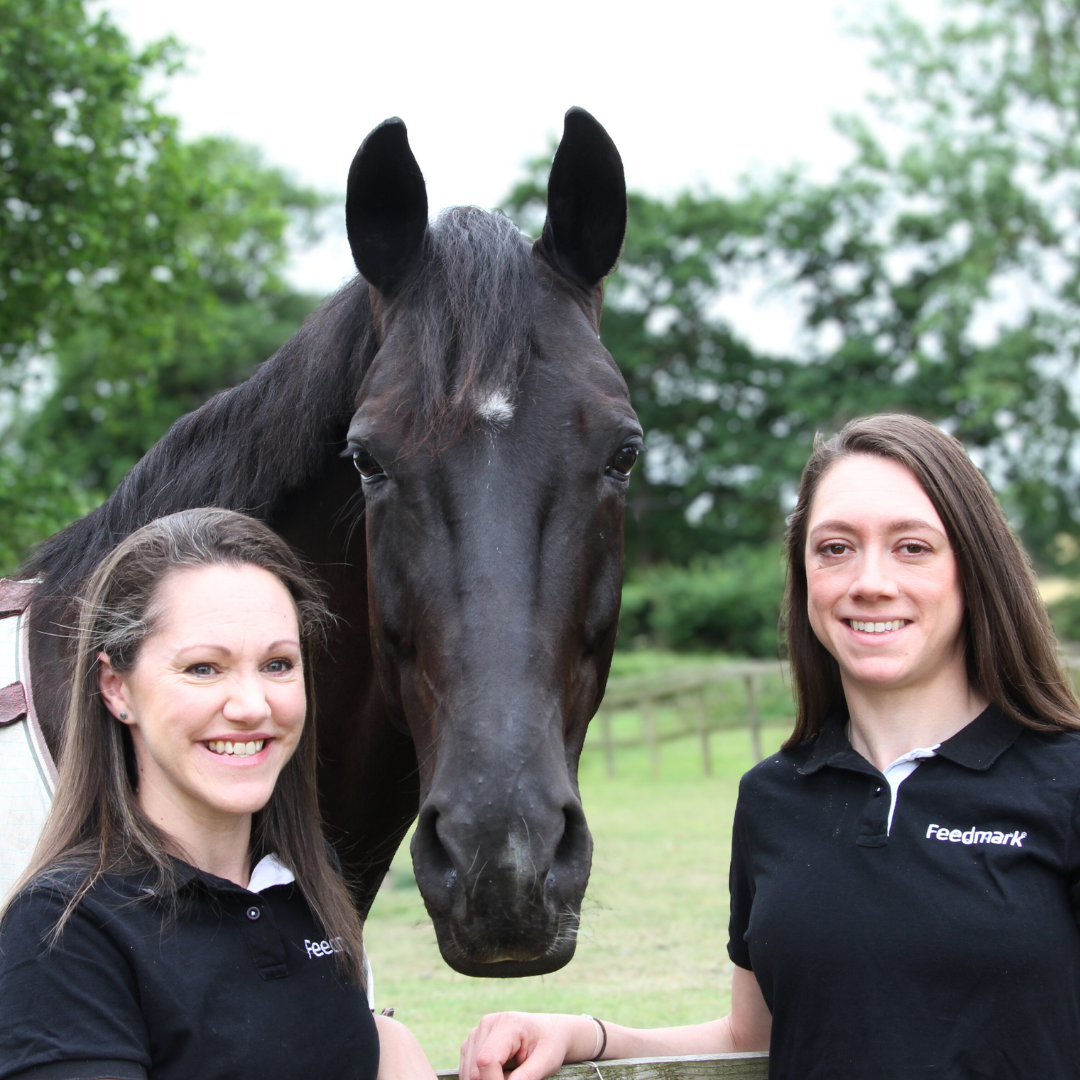
_370.png "Sophie Pelham Burn")