













































What is hyaluronic acid?
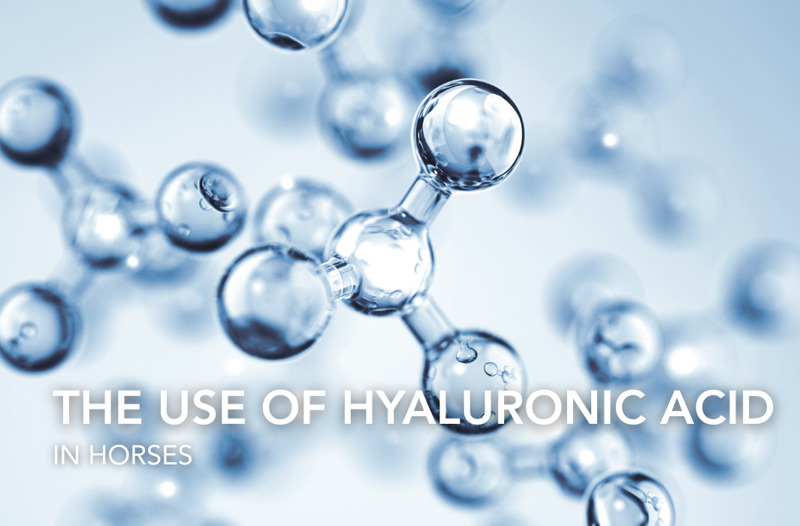
Hyaluronic acid (HA) is a large molecule, made of repeating sugar units. Because of its structure, HA is capable of holding 1000 times its own weight in water, which allows it to play a role in keeping various tissues throughout the body well-lubricated. It is naturally produced in:
-
Synovial fluid
-
Cartilage
-
Skin
-
Eyes
-
Tendons
-
Ligaments
-
Fascia
Hyaluronic acid’s main roles with regard to joints and movement are:
Lubrication - HA gives synovial fluid and cartilage their slippery, viscous texture that allows joint surfaces to glide smoothly over each other.
Shock absorption - Provides the gel-like properties of synovial fluid, allowing cushioning of impact and concussive forces through the joint.
Cartilage support - HA helps maintain the structure and hydration of cartilage and contributes to the extracellular matrix surrounding cartilage cells.
Nutrient transport - Cartilage has no direct blood supply, so synovial fluid helps deliver nutrients and remove waste products. HA contributes to the proper properties of that fluid.
Hydration - HA binds large amounts of water in fascia, helping this enormous network of connective tissue remain pliable, elastic, and allowing adjacent fascial layers to slide smoothly over one another during movement.
Factors affecting hyaluronic acid production in horses
Various management and nutritional factors can influence HA levels within joints and connective tissue; some help stimulate its production, while others can cause it to degrade faster or have a lower quality.
Movement - Regular, moderate exercise stimulates hyaluronic acid production
Hydration - As HA holds 1000x its own weight in water and its beneficial properties rely on this, having a good overall hydration status is vitally important in allowing it to perform its role. Dehydration can rapidly reduce optimal tissue mechanics.
Nutrition - A well-balanced diet is important for HA production and maintenance as several trace minerals act as co-factors in connective tissue metabolism, including magnesium, zinc, copper and manganese. Adequate antioxidant vitamins, including C and E, as well as dietary polyphenols, help maintain HA quality and support the management of oxidation that breaks down HA.
Repeated concussive forces - While moderate exercise is helpful for HA production, repeated high-impact forces moving through limbs, such as when working on hard surfaces or doing lots of jumping, increase inflammation in the joint. This increases the rate of HA breakdown, and while it can temporarily stimulate increased HA production, the resulting HA tends to be of lower molecular weight, creating thinner synovial fluid with reduced lubricating properties.
Age - HA production naturally declines with age
Genetics, breed and biomechanical differences due to conformation or compensatory movement after injury can also play a role as well.
Conclusion
Hyaluronic acid is a fundamental component of the horse’s connective tissue system, playing a central role in joint lubrication, shock absorption, tissue hydration, and overall movement efficiency. Its presence across synovial fluid, cartilage, fascia, and other soft tissues highlights its importance not just for joint health, but for the integrated function of the musculoskeletal system as a whole.
Because hyaluronic acid is continually synthesised and broken down within the body, its effectiveness depends on the balance between production and degradation. This balance is influenced by factors such as exercise load, hydration status, nutritional support, age, and the cumulative impact of mechanical stress. When these factors are well managed, they help preserve the quality and function of hyaluronic acid, supporting smooth, comfortable movement. When disrupted, the resulting decline in HA quality can contribute to reduced lubrication, increased tissue friction, and diminished joint resilience over time.
Ultimately, maintaining healthy hyaluronic acid dynamics is not about a single intervention, but about a holistic approach to management - combining appropriate workload, inflammation management, good hydration, and balanced nutrition to support the horse’s natural ability to maintain healthy, functional connective tissues throughout its life.
_370.png "Sophie Pelham Burn")